




Clean and green energy
Clean and green energy
Date: 2nd June 2025 | Author: Sugunavel | Category: ISR
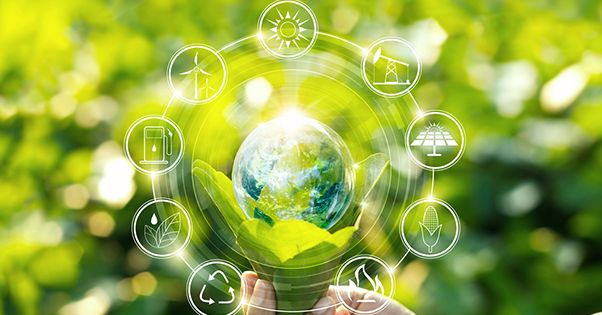
The Sustainable Development Goals (SDGs), established by the United Nations in 2015, provide a global blueprint for peace, prosperity, and environmental protection by 2030. Comprising 17 interconnected goals, the SDGs aim to address critical global challenges—including poverty, inequality, climate change, and sustainability—through coordinated efforts from governments, organizations, and individuals. Clean and green energy plays a vital role in achieving the UN Sustainable Development Goals (SDGs), especially Goal 7: Affordable and Clean Energy, and Goal 13: Climate Action. Promoting renewable energy sources supports environmental sustainability, reduces carbon emissions, and ensures a healthier planet for current and future generations.
Clean and Green Energy: Innovations and Trends Shaping a Sustainable Future
Clean and green energy refers to power generated from renewable, sustainable sources that have minimal impact on the environment. These include solar, wind, hydro, and geothermal energy, which produce little or no greenhouse gas emissions compared to fossil fuels. Embracing clean energy is essential for combating climate change, improving air quality, and reducing our dependence on finite resources. Technological advancements and policy support are driving the global transition toward greener energy solutions. Investing in clean energy not only protects the planet but also fosters economic growth, job creation, and energy security, paving the way for a more sustainable future.
Global Trends: Accelerating the Energy Transition
The clean energy sector is experiencing unprecedented growth, driven by technological advancements, supportive policies, and increasing investments. In 2023, global investment in clean technology manufacturing rose by 50%, reaching USD 235 billion, with significant contributions from solar PV and battery manufacturing. This surge is not only transforming energy systems but also creating economic opportunities and enhancing energy security worldwide.
Cutting-Edge Technologies Powering the Shift
The global shift toward sustainability has accelerated innovation in clean and green energy technologies. As climate concerns intensify, recent trends reveal a growing focus on renewable integration and smart energy solutions. Driven by policy, investment, and public demand, the energy sector is embracing transformative green technologies and practices.
- Green Hydrogen Adoption – Hydrogen produced from renewables is revolutionizing heavy industry, transport, and long-duration energy storage worldwide.
- Advanced Battery Technologies – Next-generation batteries like solid-state and flow systems enhance grid stability and renewable energy integration.
- AI and Smart Grid Optimization- Artificial intelligence manages energy flows, predicts demand, and boosts efficiency in decentralized smart energy networks.
- Expansion of Offshore and Floating Renewables – Offshore wind and floating solar farms increase energy output while addressing land and location constraints effectively.
- Decentralized and Community-Based Energy Systems – Microgrids, local storage, and peer-to-peer trading empower communities with resilient, clean, and independent energy sources.
India’s Role in the Green Energy Revolution
India is advancing rapidly in clean energy. The Indian Institute of Petroleum and Energy (IIPE) and Magnivia Ventures are setting up a research park focused on green hydrogen, battery materials, and carbon capture. Major firms like Reliance and Adani are investing heavily to lead in renewable energy and green hydrogen globally.
Embracing a Sustainable Energy Future
The transition to clean and green energy is not just an environmental imperative but also an economic and social opportunity. By embracing innovative technologies and sustainable practices, we can achieve a resilient, low-carbon future that aligns with global climate goals and ensures energy access for all.
By:
Geethi Peethambaran,
Assistant Professor ( Grade I),
Department of Electrical and Electronics Engineering,
Aarupadai Veedu Institute of Technology (AVIT),
Vinayaka Mission’s Research Foundation (Deemed to be University),
Chennai