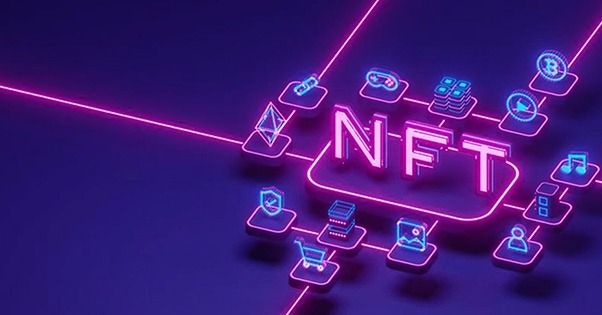
NFTs & Metaverse: Hype or Real Digital Ownership?
Nfts and the metaverse: hype or the future of digital ownership?
Date: 29th May 2025|Category: ISR
In the rapidly changing world of technology and digital culture, few concepts have sparked as much interest — and controversy — as NFTs (Non-Fungible Tokens) and the Metaverse. The conversation about these innovations has moved from intrigue to a serious investment interest, with sales of digital art in millions and purchases of virtual lands in online worlds. But the real question is: Are NFTs and the Metaverse just passing fads, or do they actually represent the future of digital ownership?
Understanding NFTs and the Metaverse
To assess their potential, it’s important to first understand what these technologies are.
NFTs are unique digital tokens stored on a blockchain, serving as verifiable proof of ownership for a digital asset — whether it’s an image, video, music file, game item, or even a virtual sneaker. When compared to cryptocurrencies like Bitcoin or Ethereum, which are fungible (meaning every unit is the same), NFTs stand out as non-fungible — each token is one-of-a-kind and can’t be swapped on a one-to-one basis.
The Metaverse, by contrast, is a communal virtual environment that unites digital environments, augmented reality (AR), virtual reality (VR), and blockchain technologies. In the Metaverse, people can work, socialize, shop, play, and own assets — just as in the real world. In this instance, NFTs are essential as a building block for ownership and identity.
The Rise of Digital Ownership
Digital assets like music, videos, or in-game items have traditionally lacked true ownership. Users usually only receive access or a license, which can be revoked. NFTs change this paradigm by recording ownership on a blockchain, shifting control to a decentralized model that allows people to freely own, trade, and transfer digital assets.
In the Metaverse, this ownership experience is enhanced further. Users can purchase virtual land, create digital storefronts, customize avatars, or collect art pieces — all linked to NFTs. Ownership goes beyond visuals; it is verifiable, tradable, and often monetizable. Platforms like Decentraland, The Sandbox, and Roblox demonstrate how this works today.
Opportunities for Creators, Gamers, and Brands
The combination of NFTs and the Metaverse creates exciting opportunities for:
Creators and Artists: They can mint NFTs to sell artwork directly to collectors, earn royalties on resales, and exhibit work in virtual galleries.
Players: In-game assets such as skins, weapons, or collectible items can be traded based on ownership and may generate real-world value.
Brands and Enterprises: From Nike’s virtual sneakers to Gucci’s digital fashion, companies are experimenting with metaverse marketing and commerce.
These innovations also increase access. Anyone with an internet connection can create or acquire NFTs, overcome geographical and financial barriers, and participate in a global virtual economy.
The Flip Side: Hype, Risks, and Challenges
Despite the enthusiasm, critics argue that the NFT and Metaverse boom is largely speculative. The NFT market is volatile, with many assets losing value after initial hype. Scams, plagiarism, and “pump-and-dump” schemes have further affected trust.
The Metaverse also faces technical and social challenges. Many experiences rely on expensive VR hardware, limiting access. Concerns remain around platform interoperability, long-term engagement, and ethical implications of virtual living.
Environmental impact is another concern. Blockchain networks powering NFTs, especially Ethereum, have faced criticism for energy usage. However, upgrades and alternative chains such as Solana and Polygon are addressing these issues.
Bridging the Gap: A More Grounded Future
Although hype has created unrealistic expectations, dismissing NFTs and the Metaverse entirely would be a mistake. History shows that disruptive technologies often face skepticism early on — the internet and smartphones were once doubted too.
NFT use cases now extend beyond art and gaming into digital identity, education credentials, real estate records, and supply chain tracking. The Metaverse is also being adopted for virtual training, remote collaboration, and hybrid events.
Conclusion: A Glimpse Into the Digital Future
So, are NFTs and the Metaverse just hype — or the real future of digital ownership?
The answer lies somewhere in between. While speculative bubbles exist, the core technologies are innovative and evolving. As infrastructure matures, NFTs and the Metaverse are reshaping how we value digital assets and experiences.
They may not replace the physical world, but they are redefining the digital one. In that sense, the future of ownership is already here — we are simply learning how to navigate it.
The next time someone buys a virtual mansion or a digital jacket for an avatar, remember: it’s not just a pastime — it’s a preview of the next digital revolution.
By:
Dr. S. Balakrishnan,
Professor and Head,
Department of Computer Science and Engineering,
Aarupadai Veedu Institute of Technology (AVIT),
Vinayaka Mission’s Research Foundation (Deemed to be University),
Chennai